
Adventure-Based Learning
What makes a learning experience so memorable that it defines us?

I have only hazy recollections of my classes during freshman year of high school. But one week of that school year is etched in my memory.
I was in my high school orchestra, and to my amazement learned that the orchestra was planning a trip that year to Prague. I had never left the country, never been on an airplane. The cost was steep, and to afford it I sold ridiculous numbers of candy bars, raising money in tiny increments. But I did it. I can still feel the buzzing excitement as I walked onto the airplane. I was so in awe that I used up my first roll of film (yes, dating myself) photographing the interior of the plane!
The week that followed created one deep memory after another. I can vividly recall the hotel where we stayed, the throat-burning traditional digestif liquor served at a formal welcome event (to high schoolers!), the streets of Prague that I wandered with friends, and perhaps most of all, the music we played in churches and small towns. I still play one of the pieces regularly, decades later. This trip shaped my sense of who I am, of what music can do, and of how joyful travel can be.
Why is it that some experiences, like this trip, are so vivid I can step back into them in a flash, while many classes and even entire years of school seem to hardly register in my memory? And how do we, as parents and teachers, create experiences where the learning will last?
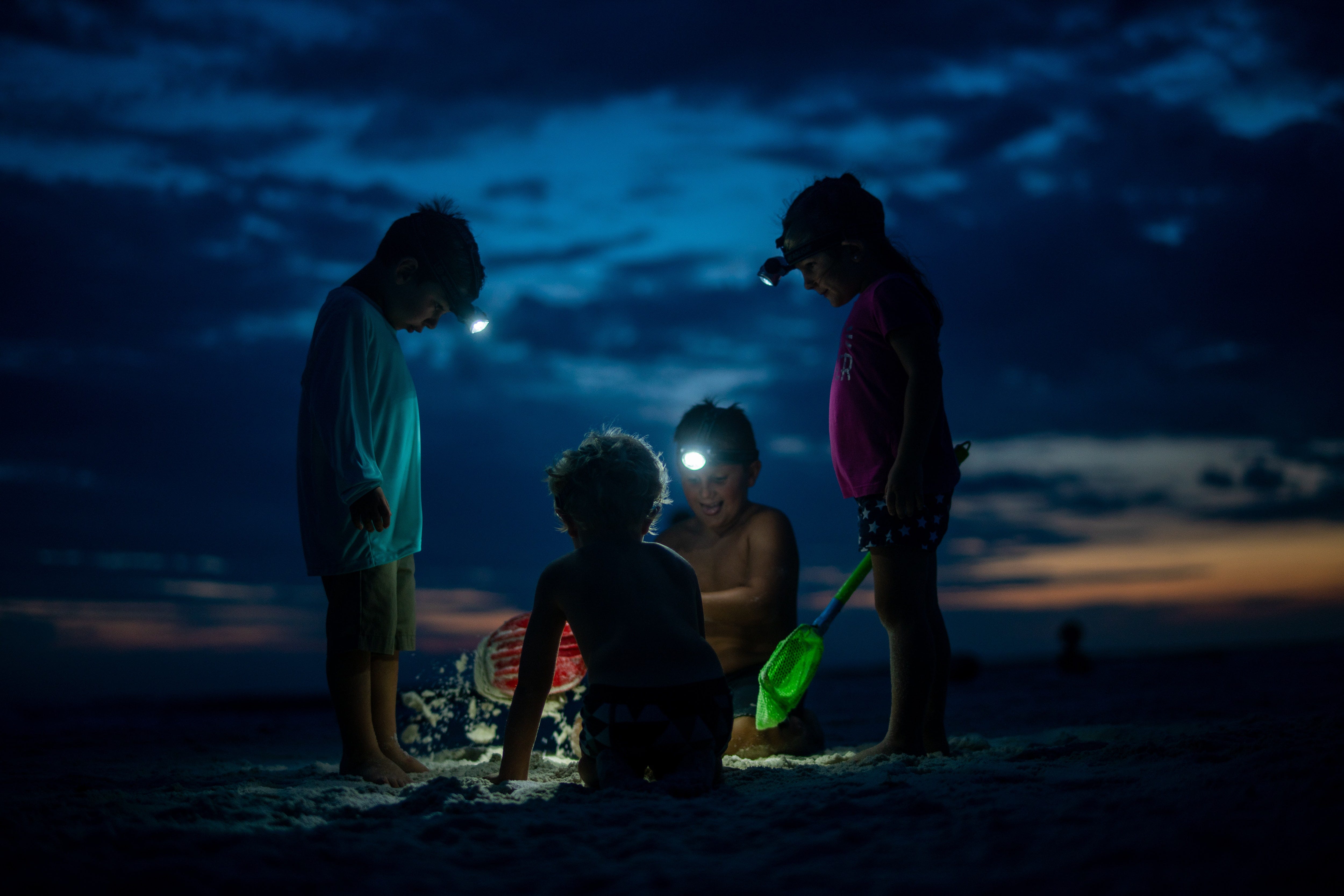
To answer this, we need a bit of perspective on how our brains choose what to remember and what to forget. But to get to the heart of things first: we remember adventures. Not because adventure means fun, but because adventure speaks to how our brains are primed to learn.
Let’s take a moment to define adventure, since that word can be used so broadly. Here’s my working definition: real adventure involves seeking something greater than yourself, connecting with others through the ups and downs that follow, and ultimately making memories that define who you are.
Why does adventure define the best learning?
It’s because memory is a cruel gatekeeper. With the wisdom of evolution, our brains are very, very good at forgetting. The name of that person you just met, the entire content of your chemistry test, and the majority of everything else you’ve ever heard—all go to the mental dustbin.
Adventure: An experience of seeking something greater than yourself, connecting with others through the ups and downs that follow, and ultimately making memories that define who you are.
How does your brain determine what is actually worth remembering? Neuroscientists use the term saliency to refer to what marks certain information as important. Dry, emotionless facts crammed into short-term memory? Not very salient. Destined to be forgotten. But an awe-inspiring first time in a metal bird flying across the ocean followed by playing music with friends in a foreign country? High saliency. Right into long-term memory it goes.
Why is this? First: emotions generate saliency. When information is encoded alongside emotion, our brains are more likely to decide that it is important and thus worth keeping. Educators, this means that our classes need to generate emotion, to follow an emotional arc and not purely a cognitive one.
Second: social contact generates saliency. Adolescents’ emotional lives are interwoven with their social lives. They are super-sensitized to the social world, showing strong emotional reactions to information like others’ facial expressions or dynamics of inclusion and exclusion. So experiences that are social, that generate shared stories often referred back to in a group, will be more salient. If you want your child or student to absorb a new skill, remember it’s how they feel about the peers they’re with that will determine if the memory sticks.
Third: exposure to the “real world” generates saliency. Adolescents are particularly attuned to real-world challenges, as they try to sort out their role and identity in the wider world now visible to them. These challenges are defined by realness or relevance. Not scenarios in a book. Not anything that can be found with a quick Google search. Relevance is hard to fake.
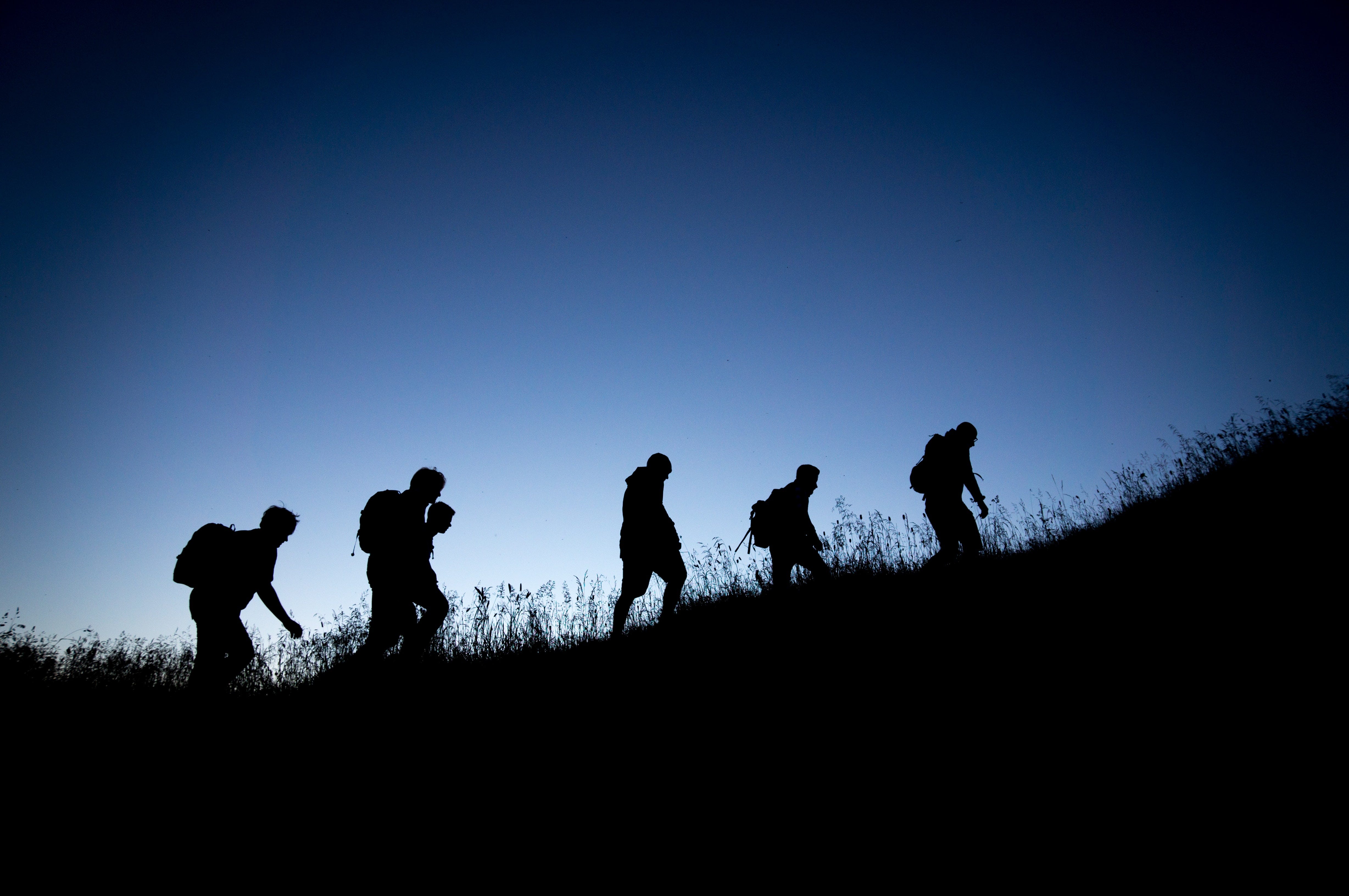
Emotions, connection with others, real-world relevance — these and other signals of saliency come naturally when we’re in the midst of an adventure.
I invite you to think back on your journey in life: which adventures stick with you the most? Find the qualities of those adventures. Make those your ingredient list for the learning experiences you offer your children or students.
Remember that adventures are not always fun. They are definitely not always easy. But they are a recipe for making meaning, forming identity, forging friendship. If we want to tap into the highest level of motivation, or to make the most lasting memories, then what we are really doing is trying to create adventures.
Book Update
For those following the story of my book, Finding the Magic in Middle School, I’m thrilled to say that it is completely finalized, and I am waiting for the physical proof copies to arrive this coming week! It may take a round of tweaks if anything is off in the printing, but it looks likely we can release ahead of schedule, in August vs September. More to come soon!
Photo Credits: Ben McLeod, Tobias Mrzyk
Now this was a salient topic!
I'm immediately reminded of my sleep away camp days. I learned more about myself, my capabilities, and the types of relationships I value more than any other learning experience I've had.
Wonderful post and a great encapsulation of what makes a learning experience stick.
What a great newsletter topic! It matches my own experiences very well. Some random memories do seem to sneak through the ‘salient’ filter, but most all of my greatest, clearest memories are associated with the experiences you named. Thanks!